India Stopped Being a Cost Play. Did Your Strategy Catch Up?

Aniket Shirole

The biggest misconception about India? That the opportunity has already peaked.

The reality is quite the opposite. India is emerging as a strategic destination for businesses looking to build capabilities, drive innovation, and scale operations.

But timing matters. Those investing in the opportunity today could be setting themselves apart from competitors for years to come.

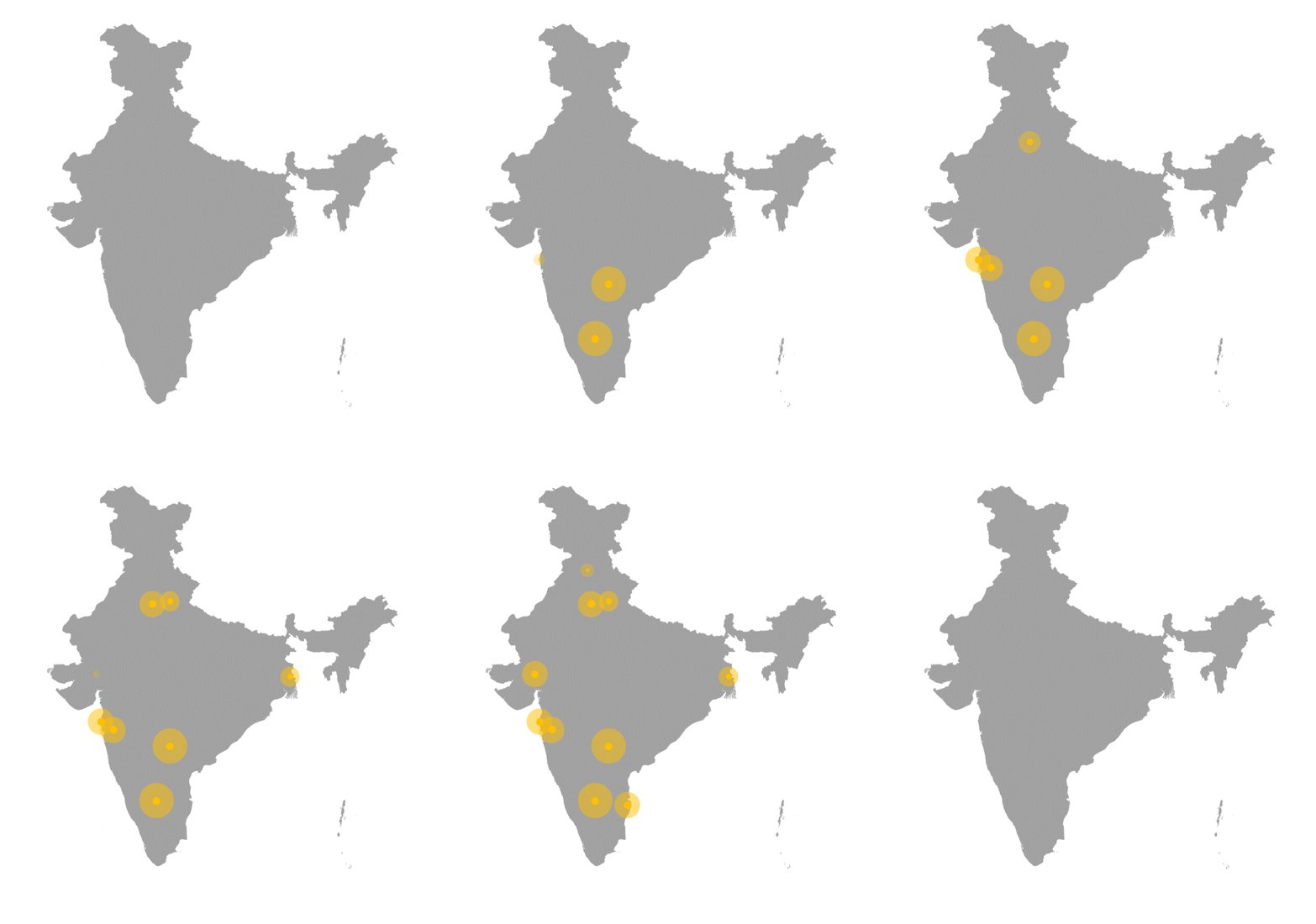
Global Capability Centers (GCCs) in India were once seen as a tool for large multinationals — complex, resource-heavy, and only worth the effort at serious scale. That's no longer true. Businesses are building teams in India, with new centers emerging across:

  • Bengaluru
  • Hyderabad
  • Chennai
  • Pune
  • Gurugram
  • Rising Tier 2 cities

This is no longer a niche strategy. It's becoming the standard approach to global scaling. The question has shifted from "Why India?" to "How fast can we build there effectively?" The conversation has moved beyond cost. Labor arbitrage was never the full story — and in 2026, it's barely part of it.

India produces over two million STEM graduates every year. It's one of the world's deepest talent markets for:

  • Artificial intelligence
  • Cloud engineering
  • Cybersecurity
  • Data analytics
  • Product development
  • Revenue operations

For companies building AI products, scaling cloud infrastructure, or expanding analytics capabilities, that talent depth is the strategic driver — not the cost savings.

An increasing share of newly announced GCCs now carry AI, engineering, or digital transformation mandates as core objectives. India teams aren't being positioned as support hubs. They're being built as capability centers.

Smaller Teams. Bigger Mandates.

The structural model is evolving too. Instead of large back-office delivery centers, organizations are increasingly building focused teams aligned to specific functions:

  • Product engineering
  • Platform development
  • AI and analytics
  • Revenue operations
  • Finance
  • Internal automation

These aren't isolated units. They're integrated into global workflows, collaborating cross-functionally and contributing directly to business outcomes. That integration is what separates today's GCC model from the offshore delivery centers that existed a decade ago.

Why Traditional GCC Setup Still Creates Friction

Despite the opportunity, building a traditional GCC remains operationally heavy. Launching an India entity typically requires:

  • Legal incorporation
  • Payroll and tax compliance
  • Labor law management
  • Real estate setup
  • Local HR operations
  • Recruiting infrastructure
  • Ongoing vendor management

For companies trying to move quickly, this adds months of setup before meaningful hiring even begins. This friction is exactly why GCC-as-a-Service models have emerged — and why they're gaining traction.

Instead of building operational layers, companies partner with established providers in India to:

  • Launch teams faster
  • Reduce overhead
  • Leverage existing recruiting infrastructure
  • Stay compliant
  • Scale flexibly based on business needs

The result:

India expertise without the setup complexity, while still maintaining alignment, visibility, and operational control. For many organizations, it's become the more practical path to entering India without losing time.

Why Timing Matters

The current India expansion cycle is accelerating. Organizations moving now are building durable advantages:

  • Stronger employer brand presence
  • Faster hiring networks
  • Institutional knowledge
  • Operational maturity that compounds over time

Tier 2 cities like Coimbatore, Jaipur, Indore, Kochi, Nagpur — are now emerging as increasingly efficient locations for specialized hiring, with sustainable cost structures and less competition for talent. What Successful India GCCs have in common:

  • The companies generating the most value from India operations tend to share a few patterns.
  • Strategic teams, not isolated support functions. India teams are integrated into core business processes and held to real outcomes.
  • Local leadership prioritized early. Strong on-the-ground leadership improves recruiting, execution, and team integration faster than almost anything else.
  • Speed on hiring. High-quality talent is competitive. Speed and candidate experience matter more than most companies expect.
  • The right operating model. Whether traditional GCC or GCC-as-a-Service, the best fit depends on business objectives, company maturity, and operational complexity — not just cost.

The Takeaway

India's GCC ecosystem is no longer reserved for large corporations. Companies across industries are using India operations to:

  • Build engineering capability
  • Scale faster
  • Strengthen global delivery models

The competitive advantage isn't just access to talent — it's the operational maturity and institutional knowledge that builds up over time. The companies that move now will have a head start that's genuinely hard to close.

The question isn't whether to build in India. It's whether you can afford to wait.

Thinking about building a team in India? Whether you're exploring a traditional GCC or a GCC-as-a-Service approach, iPlace helps companies build India teams with speed, scale, and operational confidence.

Feel free to share

Summary
India Stopped Being a Cost Play. Did Your Strategy Catch Up?
Article Name
India Stopped Being a Cost Play. Did Your Strategy Catch Up?
Description
India’s GCC opportunity has moved beyond cost. See why talent, innovation, speed, and GCC-as-a-Service are reshaping how companies scale in India.
Author
Publisher Name
iPlace
Publisher Logo

Get Access To Expert Recruiters